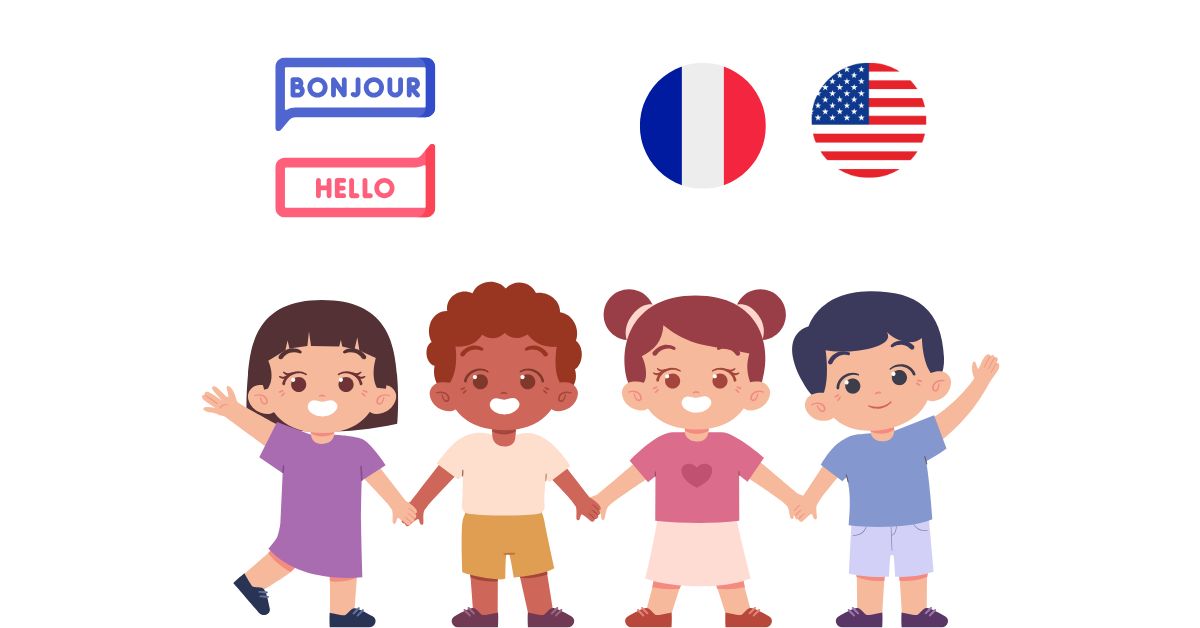
Extracurricular Activities That Strengthen Bilingualism

Bilingualism is not built solely in the classroom. Extracurricular activities play a crucial role in enhancing fluency, curiosity, and natural language practice. For a complete overview of criteria to consider before choosing a school, see our article: How to Choose an International School Paris.

Art Workshops: Practicing Language in Creative Ways

Singing, theater, music, and visual arts workshops offered in English or French give children a space for authentic expression. These activities help enrich vocabulary, improve pronunciation, and use the language in a creative and spontaneous context. They also support oral confidence, a key pillar in bilingual development.

Sports Activities: Encouraging Natural Interaction

Élever un enfant bilingue un cadeau pour la vie

Sports allow children to learn without realizing it. When conducted in the target language, they reinforce automatic responses: following instructions, cooperation, and team spirit. This “learning in motion” contributes sustainably to linguistic fluency.

Cultural Outings: Experiencing Language in Real Life

Museums, exhibitions, performances, sensory experiences, and educational walks provide direct immersion in real-world contexts. They encourage children to use the language meaningfully and in connection with their environment. These experiences also foster curiosity and cultural awareness, further enriched by the diversity present in an international school Paris. You can also read: Why Multiculturalism Is an Asset in an International School Paris.

Activities That Naturally Extend Immersion

The more a child hears and uses a language in varied situations, the more fluent and confident they become. Extracurricular activities bridge school and daily life, turning language learning into lasting enjoyment.

Extracurricular programs enrich bilingual education by offering children opportunities to practice languages in diverse, playful, and motivating contexts. They complement classroom learning and support balanced progress in expression, comprehension, and confidence.

Partagez l'article :
Facebook
LinkedIn
Email
WhatsApp
Print